ServicesPaint Touch-Ups
Paint Touch-Ups in Irvington
Paint is the part of a repaired wall people actually see. We prime the spot, match your color and sheen, and feather the paint out so the repair fades into the rest of the wall. You get photos before, during and after.
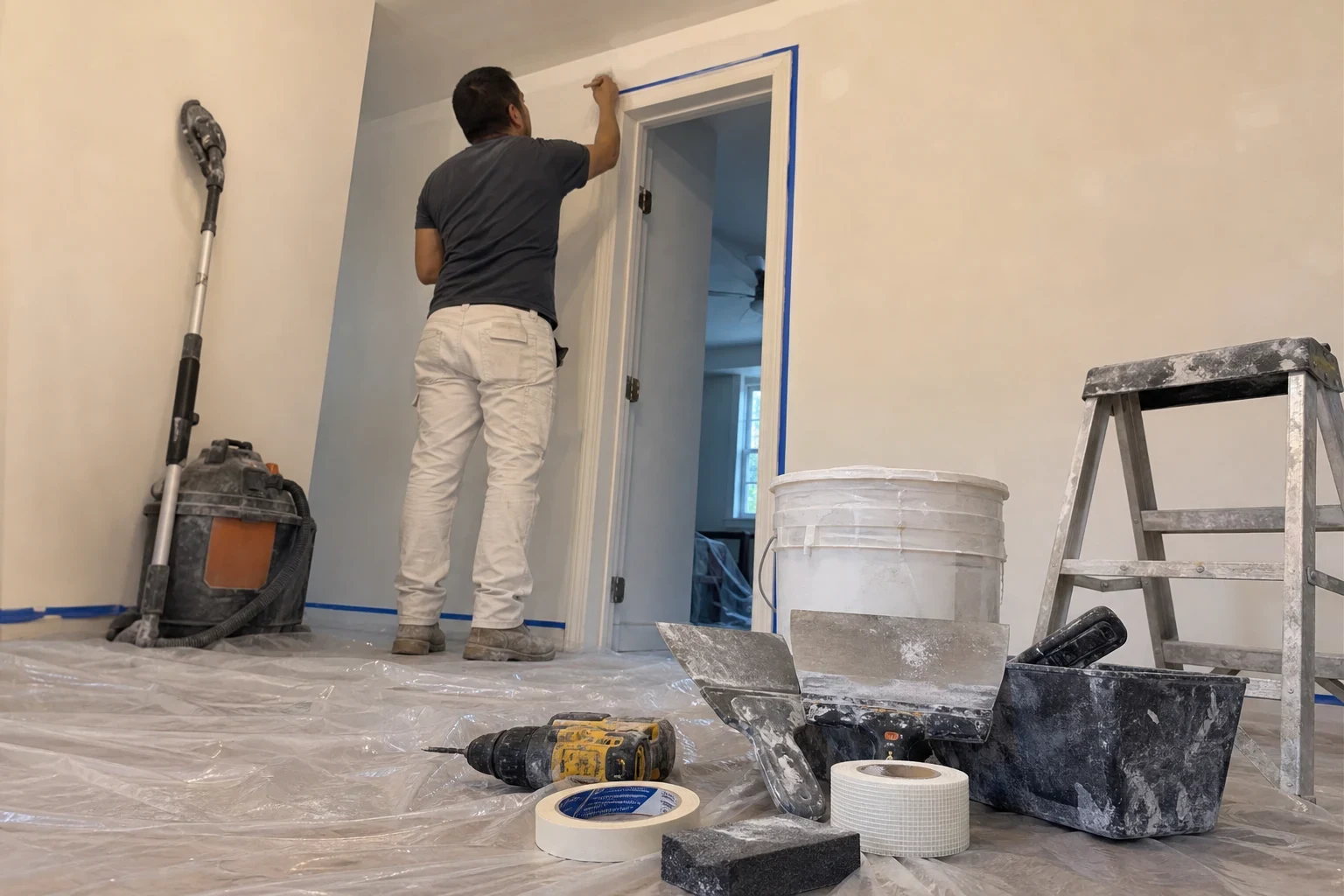
Finishing the Spot So Nobody Can Find It
Paint touch-ups are the last step after a drywall patch, or the fix for scuffs, nail pops and small marks on walls that are otherwise fine. The goal is simple. You should not be able to point to where the repair was.
Most bad touch-ups fail for two reasons. Raw compound is thirstier than painted drywall, so it pulls in the finish coat and dries a different shade or gloss. Or the sheen is off, and the patch shows every time light hits it from a window. We deal with both before the brush comes out.
We keep this work small and focused. If a spot will not blend because the old paint has faded or the color is unknown, we tell you up front and let you see a test swatch before going further.
What a Touch-Up Visit Includes
- Sealing bare compound
- Fresh mud soaks up paint like a sponge. A coat of primer goes on first, so the finish coat dries to the same tone and gloss as the paint around it.
- Getting the paint right
- Leftover cans get checked and used when they're still good. Without a can, we go by a small chip from the wall or the old label. Flat, eggshell and satin each catch light their own way, so the gloss matters as much as the shade.
- Feathered edges
- We thin the paint out past the edge of the repair instead of stopping in a hard line. Where a spot still shows, we may carry it to the nearest corner or break line on that wall.
- Photos at each step
- You get pictures of the damage, the primed patch and the finished wall. Landlords and property managers can keep them with unit records.
- Clean work area
- We lay cloths along the base of the wall and cover anything nearby. When we leave, our tape, rags and trash leave with us.
Signs Your Walls Need a Paint Touch-Up
A patch that looks dull or shiny
This is flashing. It usually means the compound was painted without primer, or the wrong sheen was used.
Scuffs and marks that won't wash off
Furniture rubs, chair backs and hallway traffic leave marks that cleaning only spreads around.
Nail holes after pictures come down
Small holes get filled, sanded and touched up so the wall is ready for new art or a new tenant.
Outlines around old repairs
A square halo around an earlier patch means the edges were never feathered or the paint didn't match.
Fresh drywall work left unpainted
If someone patched a hole and left the white compound showing, it still needs primer and a finish coat.
How the Work Goes on the Day
- 1
Look and take before shots
We look at each spot in daylight and with the room lights on, since both show flaws differently. Then we take pictures before touching anything.
- 2
Prep the surface
Light sanding knocks down ridges, dust gets wiped off, and any small holes get filled. Bare compound gets primed.
- 3
Match and test
We check the paint on a small area first and let it dry. Paint often looks different wet than dry, so we wait before judging it.
- 4
Apply and feather
Finish coats go on thin with a brush or small roller to match the existing texture. Two thin coats beat one heavy one.
- 5
Clean up and send photos
We pick up the cloths, wipe down any trim we worked near, and send you the after pictures.
What Moves the Price of a Touch-Up
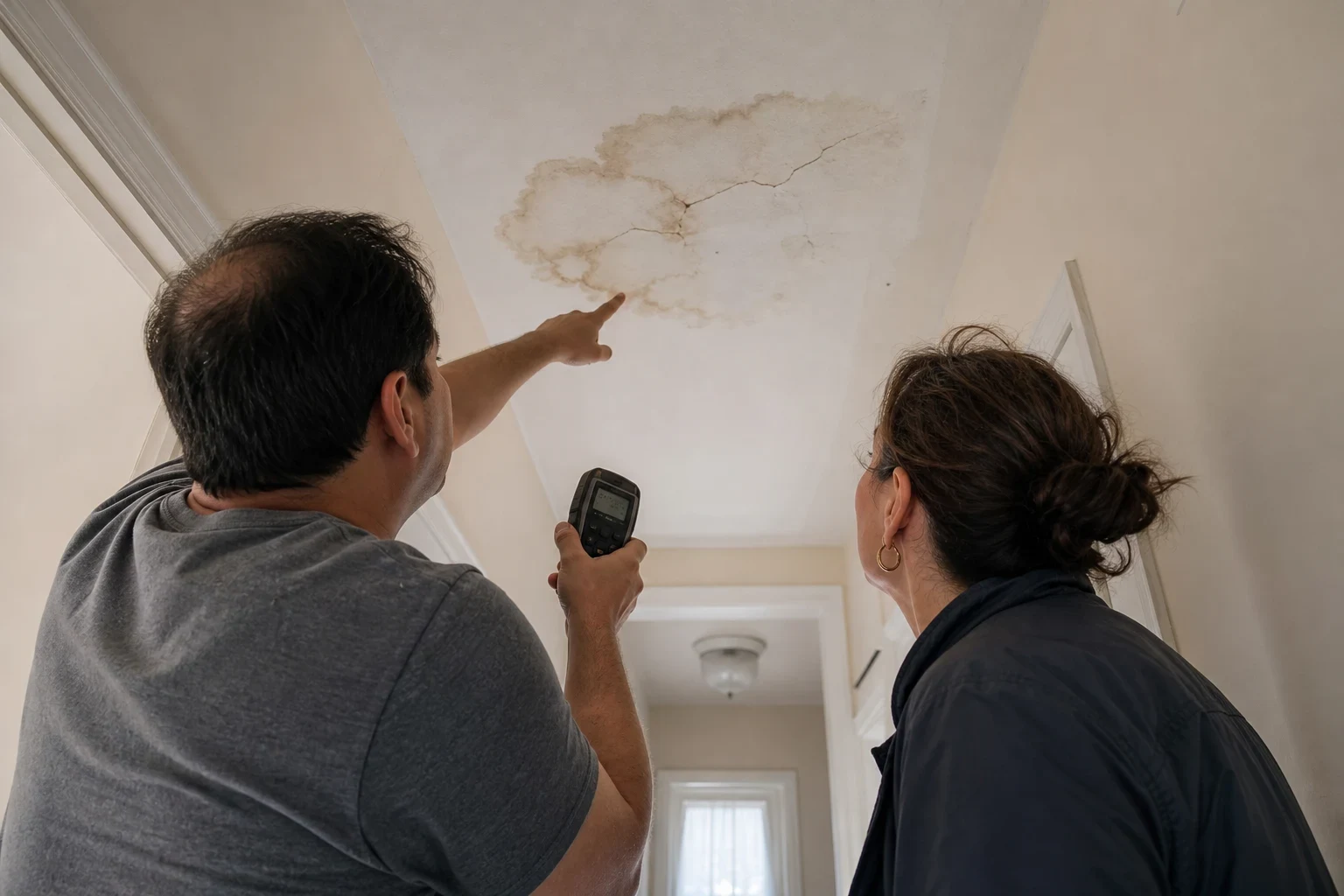
Touch-ups are priced by the work involved, not just the number of spots. A few nail holes in one room is a quick visit. Primed patches across several rooms with no leftover paint takes longer. On the phone we go over what you're seeing and explain what would raise or lower the price, so nothing changes once we're in your home.
- How many spots, and how big
- Three or four small marks in one room is quick work. A dozen patches spread through the house takes a good deal longer.
- Whether you have the paint
- Leftover paint saves the time of matching. Without it, we have to work from a sample, which adds a step.
- Sheen and wall condition
- Flat paint hides touch-ups well. Eggshell and satin show more, and may need the paint carried to a corner to blend.
- Ceiling height and access
- Stairwells and tall ceilings need ladders and more setup time. Cleared walls go faster than ones behind heavy furniture.
Paint Touch-Up Questions
Something not covered here? (973) 447-8743
Will the touch-up really match my old paint?
Most of the time, yes, if the color is known and the paint hasn't faded much. Walls that have been up for years can shift in color from sunlight and cleaning. We test a small area first and show you a picture. If it won't blend, we tell you before going further.
Should I keep my leftover paint?
Yes. Keep the can and label even if it's mostly empty. The label lists the brand, color and sheen, which makes matching much easier. Store it somewhere it won't freeze.
Can you touch up a patch someone else did?
Usually. We check the patch first. If it's smooth and solid, we prime and paint it. If it's cracked, raised or loose, it needs drywall patching before paint will hide it.
How long until the room is usable?
Small touch-ups are dry to the touch fairly quickly, and you can use the room the same day. We suggest not hanging pictures or washing the spots for a few days while the paint cures. Humid summer weather slows drying a bit.
Do you repaint whole rooms?
No. Our work is touch-ups over repairs and small marks. If a spot can't be blended with a touch-up, we'll be honest about that so you can plan your next step.
Ready to Make That Patch Disappear
Tell us how many spots you have and whether you kept the paint. We work in Irvington and nearby towns like Maplewood, Union and East Orange, and we'll explain what the job looks like before we start.